

Some may experience more significant initial weight loss because of a reduction in water weight and stored glycogen in the muscles and liver. This study revealed that after 10 weeks into the research, both groups that fasted for 18 and 20 hours lost about 3% of their starting weight. Although most of your intermittent fasting 20/4 period is spent fasting, you need to eat. Another 2019 study trying fasting for 4-21 days showed that hunger symptoms appeared in the early days of fasting, but the body adapts to the new situation after some days [5]. Instead of eating whatever you want after the 20-hour fast, be smart about your choices. They will advise you on whether you’re eligible to follow this eating plan, and they can also consider your current health and show you how to safely follow this plan with minimal risks to your health.
Who Should Avoid the 20:4 Fasting Protocol?
Well, let’s look at what happens in your body when you fast for longer than say, 16 hours. However, the key to success lies in making mindful dietary choices and following safety precautions. By consuming nutrient-dense foods, staying hydrated, and listening to your body, you can maximize the advantages of this fasting approach.
May enhance heart health by improving blood pressure
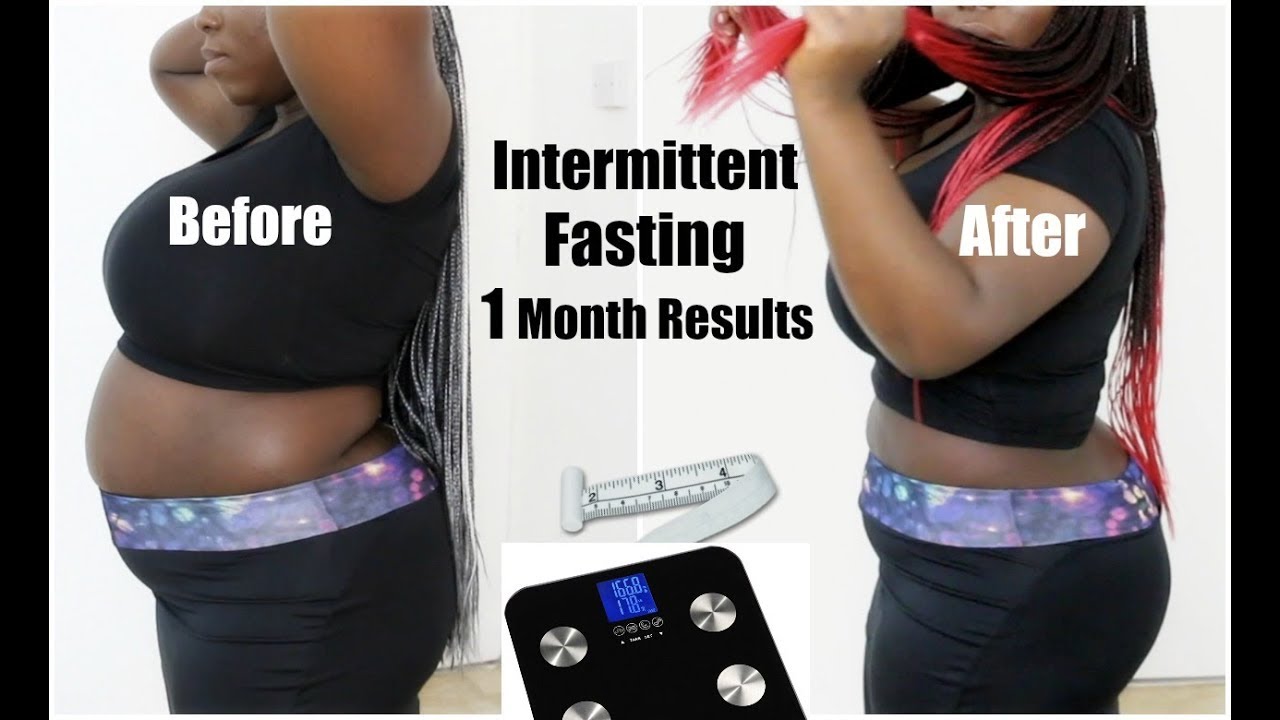
Due to a prolonged fasting window, most people who try this approach experience substantial weight loss within the first month, much faster than they would get on the 16/8 protocol. Additionally, people who tried this method report having higher energy levels, greater mental clarity, and improved body composition. If you look up 20 hour fast before-and after results on the web, you can find many expiring examples. Still, it’s important to remember that results depend on a variety of individual factors, which is why it’s important to set adequate expectations. The 20/4 intermittent fasting approach offers a unique way to structure your daily eating patterns.
Consulting a doctor or dietitian is recommended to determine the best fit for your needs. So, scientists still do not know how long people must fast to see a significant uptick in autophagy. But these are harder to prove with most of the evidence coming from animal studies.
If you’re very active or if you wake up hungry for breakfast, you may need to make some adjustments. But Zumpano says that it’s important that the majority of your calories are taken in before it’s dark out. She says to plan your fast to begin at least three hours before bedtime. Fasting may not be suitable for everyone and may cause side effects.
What are the rules for 24-hour fasting?
Intermittent fasting, specifically the 20-hour fast, is generally safe for people without special health concerns. That is because your eating time is too short, and it can be challenging to eat a variety of foods in only four hours. As mentioned above, intermittent fasting doesn’t call for calorie counting, which is why it’s such a popular weight loss method for many people. Unfortunately, not counting calories can lead to undereating or overeating, both of which can lead to weight plateauing or weight gain.

What Is a Safe Way to Follow a 20-Hour Fasting Diet?
- So when we’re talking about storing energy in the body, it’s coming from all the macronutrients that we eat — protein, carbohydrates, and fats.
- The combination of these benefits helps keep the heart and blood vessels healthy and significantly lowers the risk of coronary artery disease, heart attack, and stroke.
- When your BMR goes down, your metabolism goes down, and this can lead to difficulties with weight loss or a weight loss plateau.
- When the body lacks incoming glucose, it enters a state of ketosis, utilizing stored fat for energy.
- However, it’s important to keep in mind that fasting is not a miracle solution.
- Planning your meals ahead of time can help you include more nutritious food items in your diet without having to settle with whatever you have in your fridge.
That might be going for a walk, getting a massage, taking a nap or meeting up with a friend — anything that you really enjoy doing and that feels like a reward should be fit into each day. Electrolytes, magnesium, potassium, calcium, phosphorus and so on all remain stable during longer-term fasts. If you experience unusual discomfort during exercise, it’s usually a sign to dial it back a little bit — it doesn’t need to be as high intensity as you might usually go for. Keep exercising and incorporating movement into your daily routine during your fast. If you need a fantastic tool to help track your sleep and the changes to your health during your fast, read about my favorite health tracking device.
SFS 6-Month Fitness Coaching Program 2 Custom Plans + Support
However, the second difference of the Warrior Diet is how you handle the eating period. For the best results on a 20/4 intermittent fasting schedule, you want to have a plan for your eating window. Yes, consume healthy foods, but you also want to get your calories dialed in to ensure you consume optimal protein, carbohydrates, and fat. The 20/4 hour fasting is scheduled so that during the estimated 20 hours you’d be fasting, you are free to diet on raw fruits and veggies with a small portion of snacks of your choice. Research has it that boiled eggs have a lot of health benefits, so take a little of it as it’s termed healthy protein. However, for the 4 hours, which is your free period, you are free to eat anything provided you don’t exceed the required calorie intake for the day.
What Intermittent Fasting Can Do for Your Heart
Using fatty acids for energy triggers a change in your metabolism, making your body burn fat more easily. Remember that fasting is not an excuse to just eat whatever you want afterwards — you still want to practice healthy eating and keep improving your diet over time. If you’re new to this, give yourself some time to figure out what type of fasting your body really benefits from, how your body responds during a fast. When you experience reduced metabolism, you feel cold, tired, hungry, and have low energy.
Is 20:4 intermittent fasting suitable for weight loss?
20/4 intermittent fasting is a fasting method where individuals fast for 20 hours a day and have a feeding window of 4 hours. It improves insulin sensitivity, enhances brain function, and promotes weight loss. During the fasting phase, which spans most of the day, you abstain from eating and stick to calorie free drinks like water, tea, or black coffee. Then, within the 4-hour eating window, you consume all your daily calories and meals. Generally, you can consume any food you like during intermittent fasting. Mindful food choices during the four-hour eating window can maximise the potential benefits of fasting.
Benefits of 20:4 Intermittent Fasting
While some supplements can enhance the metabolic benefits of fasting, many protein powders, vitamin gummies, and liquid vitamins are packed with sugars and carbs that can break your fast. In addition, fasting has been shown to significantly increase levels of human growth hormone (HGH), which accelerates fat burning and helps prevent muscle loss while fasting. From an evolutionary point of view, the body is much better adapted to extended periods of calorie restriction than to consuming too much food daily. When your cells begin to utilize ketones as a primary fuel source, your metabolism enters a state known as ketosis. Ketosis doesn’t just help you lose weight but has profound benefits for cellular and metabolic health.
Some people report feeling less unimeal reviews consumer reports hungry over time as the body adapts, though this can vary from person to person. In a review of multiple studies about intermittent fasting, it has been found to reduce insulin resistance and fasting insulin levels especially when weight loss happens. Insulin resistance can lead to a variety of conditions including type 2 diabetes, polycystic ovary syndrome (PCOS), and fatty liver. While intermittent fasting isn’t a prevention or cure for any condition, talk to your primary care provider about whether it may be beneficial for you. These foods provide vitamins, minerals, and fiber, keeping you full longer. Think of foods like lean proteins, healthy fats, and colorful vegetables.
They can offer the right guidance on whether any of these intermittent fasting options are right for you. While more research is needed on the benefits of intermittent fasting and how it may affect our health long term, there’s lots of promising data around it. Research shows that inflammation may be involved in the development of chronic conditions, such as heart disease, cancer, and rheumatoid arthritis. Some studies have found that fasting can help decrease levels of inflammation and promote better health.
How do I know if a 20:4 intermittent fasting schedule is suited for me?
Another 2019 study by de Toledo et al. indicated that 15% of 1422 participants experienced sleep disorders because of intermittent fasting. Another study by Kapoor et al. (2016) shows that dehydration, which can happen during a 20-hour fast, can also cause bad breath. Another study by Tinsley et al. (2019) supports these findings, indicating that hypoglycemia during fasting can create feelings of irritability, anxiety, and poor concentration [13].
